Drug Treatment in New York
Drug treatment in New York works best when you match the level of care to your situation. The state has 609 programs listed through SAMHSA FindTreatment.gov, from detox to outpatient. This guide covers your choices, costs, and the free helpline.
Medication-assisted treatment
Lots of people seek help with alcohol use disorder, and medication can offer support. Across New York, 484 programs provide medications for alcohol use disorder, and 84 detox facilities list support for alcohol withdrawal. Alcohol withdrawal can be dangerous, so a doctor or nurse should manage it, and a detox center or hospital is often the safer place to be. For opioids, buprenorphine is offered at 522 facilities and naltrexone at 502. If medication for opioid use disorder is on your mind, ask the program whether same-day access is possible or a separate intake appointment is required.
Levels of care and facility counts
The first practical question is how much structure you need. With 609 drug rehab centers in New York listed by SAMHSA, the most common starting point is outpatient care, which 432 programs offer. That can mean a few visits a week for therapy and medication while you keep living at home. Intensive outpatient (IOP) is a step up, with 155 programs for people who need more frequent sessions but not overnight stays. Partial hospitalization (PHP) sits between IOP and residential care, and 26 programs provide it.
Residential and inpatient rehab makes sense when distance from your everyday surroundings counts, and 165 facilities in New York offer it. If withdrawal worries you, 103 centers provide medical detox. For opioid use disorder, 522 facilities across New York offer medication treatment, and 70 are licensed methadone clinics. A program or center that fits your life beats one that looks impressive on paper. If you cannot determine which level of care matches, calling the helpline can help you narrow the options before you commit.
Commonly chosen facilities in New York
-
Montefiore Medical Center SATP UNIT
Bronx, NY30 days
- Joint Commission
- Co-Occurring Mental Health
- Outpatient
Montefiore Medical Center SATP Unit III is an outpatient program on Jerome Avenue.
View center -
Beacon Center Rome
Rome, NY90 days
- Outpatient
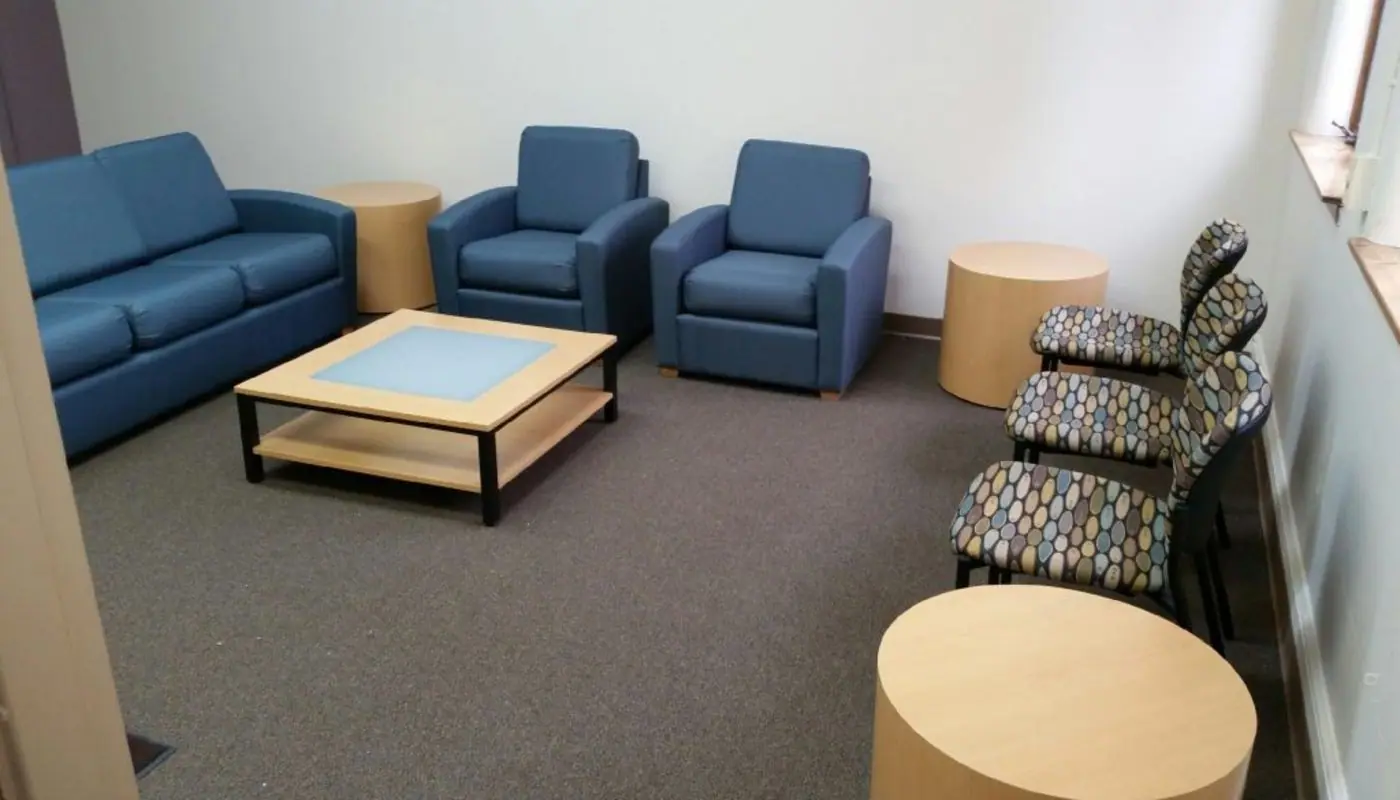
Beacon Center Rome offers outpatient care to people dealing with mental health challenges and substance use.
View center -

Bunkhouse Recovery Ranch
Poughquag, NY30 days · 6-15 beds
- Sober Living
- Co-Occurring Mental Health
Bunkhouse Recovery Ranch Poughquag provides structured sober living for men in New York.
View center -

JD Psychiatry
New York City, NY30 day
- Outpatient
JD Psychiatry New York City is an outpatient practice on Broadway in lower Manhattan.
View center -
- Joint Commission
- Co-Occurring Mental Health
- Outpatient
On Water Street sits Staten Island University Hospital Staten Island, an outpatient methadone clinic.
View center -
Saint Catherines Center for Children
Albany, NY30 days · 16-30 beds
- Residential Rehab
Saint Catherines Center for Children Albany is a residential program on North Main Avenue.
View center
What the overdose data shows
The numbers give a clearer picture of the local drug problem. In the 12 months ending May 2026, New York reported 1,725 overdose deaths overall, down 10 percent from the previous period. Opioid deaths fell to 1,160, a 16 percent drop, and fentanyl deaths were 952, down 18 percent. Cocaine deaths were 843, methamphetamine deaths 235, and heroin deaths 52. These figures, from the CDC, show that the crisis is still severe even as the trend improves.
For families, these numbers are a reminder that overdose risk can appear at any stage, even after a period of abstinence. If a person has stopped using and then relapses, then their tolerance may be lower, which makes an overdose more dangerous. That is one reason a follow-up care plan matters after detox or residential treatment. When you call the helpline, then you can ask about local resources for overdose prevention and family support, wherever you are in the process.
| Drug | Past year | Prior year | Shift |
|---|---|---|---|
| Fatal overdoses from any drug | 1,725 | 1,926 | -10% |
| Any opioid type | 1,160 | 1,374 | -16% |
| Fentanyl & synthetic opioids | 952 | 1,162 | -18% |
| Heroin-related deaths | 52 | 77 | -32% |
| Prescription opioids | 236 | 246 | -4% |
| Methamphetamine | 235 | 282 | -17% |
| Cocaine overdose | 843 | 1,009 | -16% |
Finding drug treatment across New York
Where you live shapes what is nearby, but care is available across the state. New York City itself has 70 listed facilities, Brooklyn has 52, and the Bronx has 39. Buffalo and Rochester have 29 and 23 respectively, while Albany has 20 and Syracuse has 11. Staten Island has 18. If you live outside a city center, then telehealth may help: 488 programs offer remote services, which can bridge the gap for therapy and medication management.

What a call to the helpline looks like
A real person answers the helpline, not a recording. The call is free and confidential and carries no strings attached regarding treatment. The advisor asks which substance is involved, how long it has been a concern, whether you have insurance, and what kind of setting you are considering. They may ask about withdrawal symptoms, though they do not diagnose. If you call, expect a conversation centered on the next concrete step, whether that is a detox bed, an outpatient appointment, or a question about Medicaid.
The helpline links callers with licensed providers and can check what is available. If you are calling on behalf of someone else, then the advisor will still help, though some details may need to come from that person directly. For a medical emergency or thoughts of self-harm, call 988 or 911. When you are ready, then you can call 1-800-662-4357 for referrals and information.
Medicaid, insurance, and free options
New York expanded Medicaid under the Affordable Care Act, so many adults with low incomes may qualify. Of the drug treatment programs in New York, 583 accept Medicaid, and 546 take private insurance. Medicare is accepted at 396 facilities, and 440 take state insurance plans. If you have employer coverage, the federal parity law requires addiction and mental health treatment to be covered on equal terms with medical care. When you call a program, ask directly whether your plan is in network, so you know your share of the cost before you go.
Cost should not be the end of the conversation. In New York, 307 programs offer sliding-scale fees, and 141 have some form of financial assistance. Only 2 listed facilities provide care at no fee, so ask about payment plans early. The state also directs block grant funds to 355 programs, which can help people without insurance. If you are uninsured, then start with the helpline, because advisors can point you toward state-funded or sliding-scale rehabs in New York that fit your budget.
- take Medicaid
- 583
- take private insurance
- 546
- take Medicare
- 396
- provide a sliding fee scale
- 307
How to start drug treatment in New York
Call the helpline or a program directly
Start with a free, confidential call to 1-800-662-4357. An advisor will ask about your situation and can share SAMHSA-listed options. You can also contact programs directly; no referral is required.
Check your insurance or Medicaid
Ask whether the program accepts your plan. In New York, 583 programs take Medicaid and 546 take private insurance. Confirm your copay or sliding-scale fee before you commit to a start date.
Complete an assessment
Most programs do an intake assessment to recommend a level of care. If withdrawal is a risk, ask about medical detox, which 103 programs offer. This is not a diagnosis; it is a safety check.
Begin care and plan follow-up
Start the program that fits, whether outpatient, residential, or medication-supported. Ask what happens after discharge. A written follow-up plan helps you keep momentum and know who to call if things get hard.
Common questions
What are the different types of drug treatment in New York?
New York has 609 SAMHSA-listed programs across several levels of care: 432 outpatient, 165 residential or inpatient, 155 intensive outpatient, 103 detox, 26 partial hospitalization, and 70 methadone clinics. Opioid use disorder medication is provided at 522 facilities. The right level depends on your substance use, withdrawal risk, and daily obligations. An assessment is the usual way to decide.
Does New York Medicaid cover drug treatment?
Yes, plenty of programs take Medicaid. In New York, 583 facilities list Medicaid as a payment option. New York has expanded Medicaid, so more adults may qualify. Coverage and copays differ by program and plan. When you call a program, ask whether your specific Medicaid plan is accepted and what documentation you need.
How can I find free or low-cost rehab in New York?
Only 2 listed facilities offer care at no fee, so free options are limited. But 307 programs offer sliding-scale fees and 141 provide financial assistance. State block grant funds support 355 programs. Start by asking about sliding scales and grants. The free helpline can help you identify low-cost options in your area.
What is the current drug problem in New York?
Preliminary Cdc data for the 12 months through May 2026 tally 1,725 overdose deaths in New York, which is a 10 percent drop compared with the previous period. Opioid deaths totaled 1,160, including 952 from fentanyl. Cocaine deaths were 843. The numbers are trending better yet still represent a serious public health issue.
How long does inpatient rehab last in New York?
How long you stay varies. Residential programs may last from a few weeks to several months, depending on your needs, insurance, and progress. New York has 165 residential facilities. Ask the program about its typical duration and what aftercare is included. Shorter stays suit some people, while others benefit from longer support.
Can I get medication for opioid use disorder in New York?
Yes. Medication treatment is widely available: 522 facilities offer buprenorphine, 502 offer naltrexone, and 70 are licensed methadone clinics. These medications are evidence-based and can be part of a broader plan. Call ahead to confirm which medications are available and whether same-day appointments are offered.
Drug treatment in New York
Call 1-800-662-4357 anytime for a free, confidential conversation with a treatment advisor. They can share SAMHSA-listed options, check insurance questions, and help you plan the next step. No obligation.