Treatment centers New York
Treatment centers New York covers 609 SAMHSA-listed programs across the state as of 2026. Rochester alone lists 7, while the Bronx and Yonkers each list 6. This guide explains what each listing shows and how to compare care levels.
- facilities listed
- 147
- cities
- 95

147 centers
-
Montefiore Medical Center SATP UNIT
Bronx, NY30 days
- Joint Commission
- Co-Occurring Mental Health
- Outpatient
Montefiore Medical Center SATP Unit III is an outpatient program on Jerome Avenue.
View center -
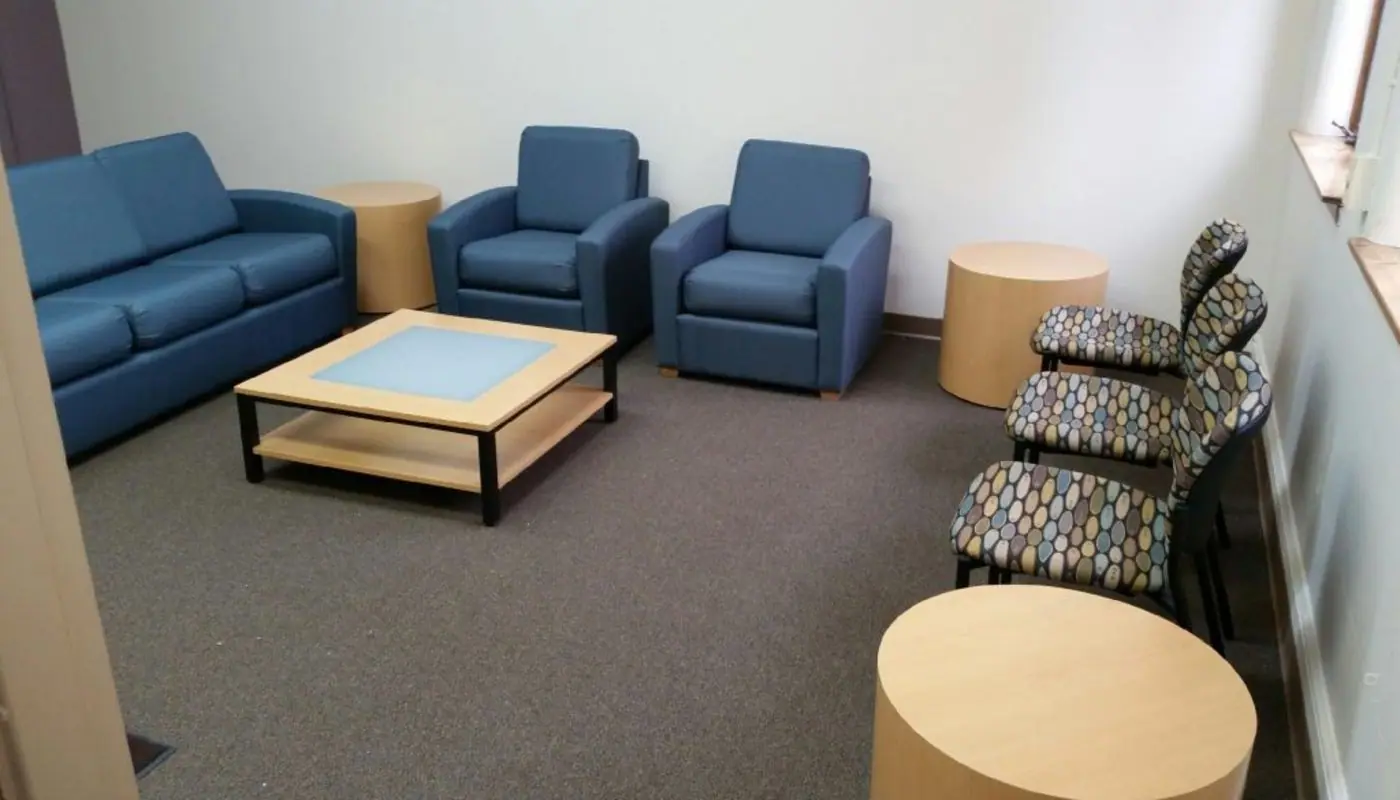
Beacon Center Rome
Rome, NY90 days
- Outpatient
Beacon Center Rome offers outpatient care to people dealing with mental health challenges and substance use.
View center -

Bunkhouse Recovery Ranch
Poughquag, NY30 days · 6-15 beds
- Sober Living
- Co-Occurring Mental Health
Bunkhouse Recovery Ranch Poughquag provides structured sober living for men in New York.
View center -
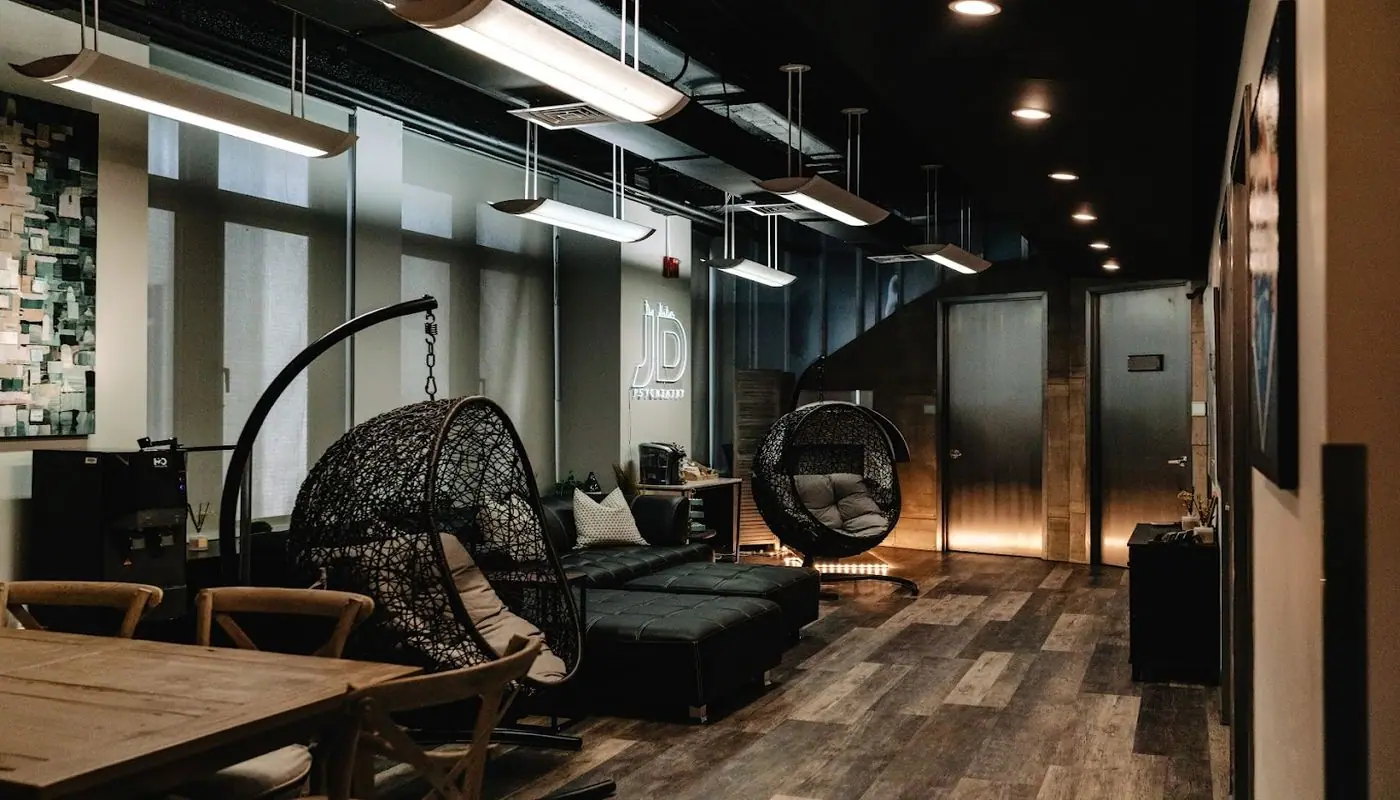
JD Psychiatry
New York City, NY30 day
- Outpatient
JD Psychiatry New York City is an outpatient practice on Broadway in lower Manhattan.
View center -
- Joint Commission
- Co-Occurring Mental Health
- Outpatient
On Water Street sits Staten Island University Hospital Staten Island, an outpatient methadone clinic.
View center -
Saint Catherines Center for Children
Albany, NY30 days · 16-30 beds
- Residential Rehab
Saint Catherines Center for Children Albany is a residential program on North Main Avenue.
View center -
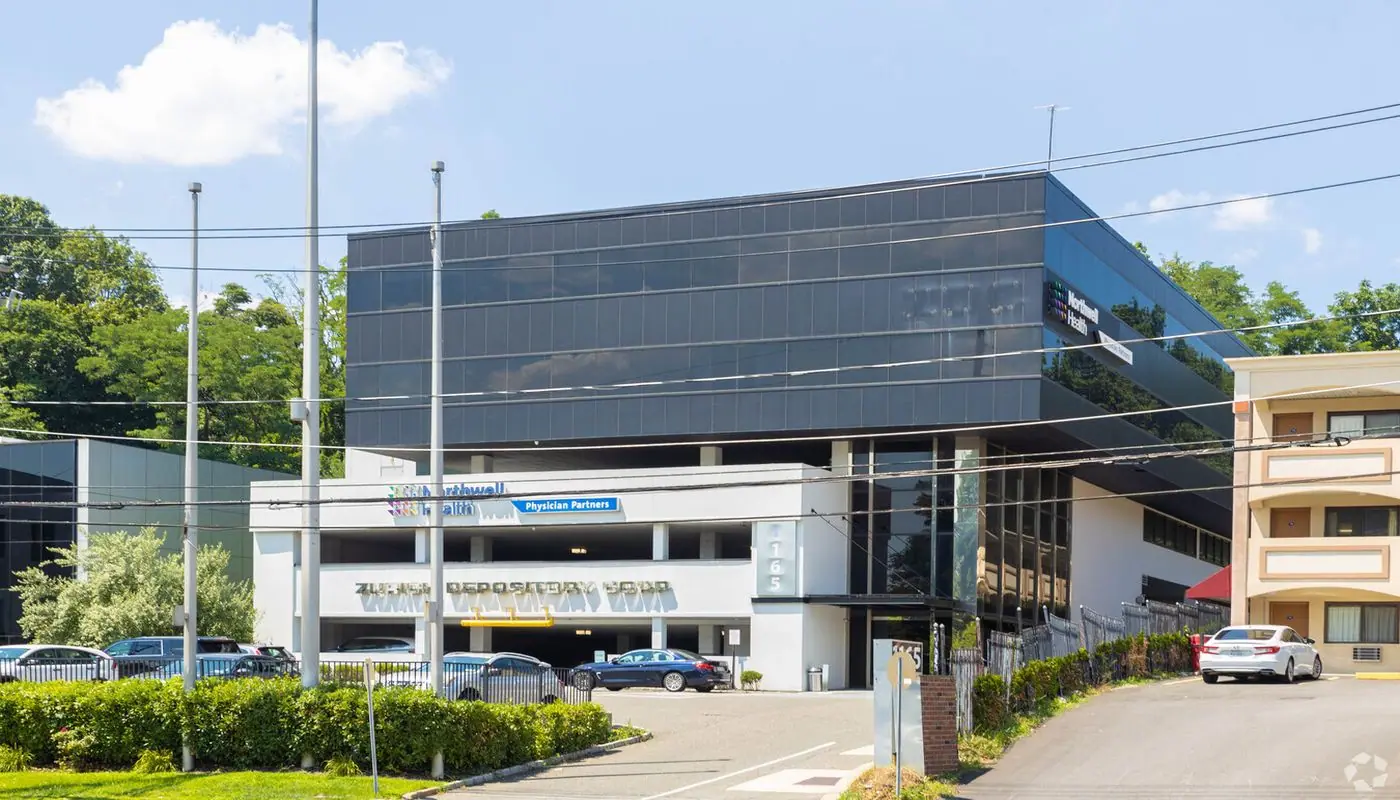
Contemporary Care Center Manhasset
Manhasset, NY5 days
- Co-Occurring Mental Health
- Outpatient
Contemporary Care Center Manhasset is an outpatient clinic on Northern Boulevard.
View center -

Trapping Brook House Residential
Wellsville, NY30 days · 16-30 beds
- Residential Rehab
- Co-Occurring Mental Health
Trapping Brook House residential Wellsville is a men-only program on County Rd 30.
View center -

Addictions Care Center of Albany Men's
Troy, NY30 days
- Residential Rehab
- Co-Occurring Mental Health
Addictions Care Center of Albany Men's Troy offers residential care for adult men.
View center -

Cornerstone Treatment Facilities
Rhinebeck, NY30 days
- Detox
- Residential Rehab
Cornerstone Treatment Facilities Network Rhinebeck provides medically supervised detox and residential rehab.
View center -

Catholic Charities of Cortland County
Cortland, NY30 days · 6-15 beds
- Sober Living
- Residential Rehab
- Co-Occurring Mental Health
One possibility is the supportive living residence located on Charles Street.
View center -

Brain Balance of Plainview
Plainview, NY30 day
- Outpatient
This page covers Brain Balance of Plainview, an outpatient program serving children and adults.
View center -

The Bridge
New York, NY30 days · 16-30 beds
-

St Josephs ATRC Inpatient Program
Saranac Lake, NY90 days
- Residential Rehab
- Co-Occurring Mental Health
St Josephs ATRC Inpatient Program Saranac Lake offers a residential setting for substance use and co-occurring conditions.
View center -

Clementine Briarcliff Manor
Briarcliff Manor, NY28+ days · 6-15 beds
- Joint Commission
- Residential Rehab
Clementine Briarcliff Manor is a residential treatment center located in Briarcliff Manor, New York.
View center -
The Kaplan Family Center
Newburgh, NY5 days
- Outpatient
The Kaplan Family Center Newburgh offers substance use and mental health outpatient treatment.
View center -

- Co-Occurring Mental Health
- Outpatient
Central Park Recovery Yonkers provides outpatient treatment for substance use and dual diagnosis care.
View center -

- Detox
- Residential Rehab
- Outpatient
Riedman Health Center Rochester delivers integrated care addressing both substance use and mental health.
View center -
Family Services of Chemung County
Elmira, NY5 days
- Co-Occurring Mental Health
- Outpatient
Family services of chemung county child elmira is an outpatient clinic.
View center -

Forge Health Queens
Queens, NY5 days
- Joint Commission
- Outpatient
Forge Health Queens offers outpatient services in Queens, available both in person and online.
View center -

Riverside Residential 820 Residential
Catskill, NY30 days
- Joint Commission
- Residential Rehab
- Co-Occurring Mental Health
Riverside Residential 820 Residential Catskill is a residential rehab for women in New York.
View center -
CASA Trinity Outpatient Clinic 4
Olean, NY30 days
- Detox
- Co-Occurring Mental Health
- Outpatient
At 201 South Union Street in Olean, Casa Trinity Outpatient Clinic 4 offers structured care for people in western New York.
View center -

Mountainside Chappaqua
Chappaqua, NY45 days
- Joint Commission
- Co-Occurring Mental Health
- Outpatient
Mountainside Chappaqua is an outpatient addiction treatment center on North Bedford Road.
View center -

The Recovery Coach NY
Sagaponack, NY30 days
- Co-Occurring Mental Health
The recovery coach NY Sagaponack offers private, one-to-one recovery support.
View center -

INTER-CARE Westchester
Hawthorne, NY30 days
- Co-Occurring Mental Health
- Outpatient
Inter-Care Westchester Hawthorne offers outpatient care at 7 W Cross St.
View center -

Russell E. Blaisdell Addiction
Orangeburg, NY90 days
-

Gouverneur Hospital
Gouverneur, NY5 days
- Detox
- Residential Rehab
- Outpatient
Gouverneur Hospital Gouverneur is a SAMHSA-listed center in St.
View center -
Northeast Family Services
New York City, NY5 days
- Outpatient
Northeast Family Services New York City runs an outpatient practice in upper Manhattan.
View center -

New Reflections Counseling
White Plains, NY90 days
- Outpatient
New Reflections Counseling White Plains is a practice offering outpatient counseling for mental health and substance use.
View center -

LifeStance Health Tarrytown
Tarrytown, NY30 days
LifeStance Health Tarrytown is an independent therapy practice in New York.
View center -
Columbus Park
New York, NY30 day
Columbus Park New York is an outpatient program for eating disorders.
View center -

The Bridge NYC
Montauk, NY30+ days · 6-15 beds
-

Elmcor Youth & Adult Activities, Inc.
Corona, NY30 days
-

- Co-Occurring Mental Health
- Outpatient
Saint Johns Riverside Hospital Yonkers offers outpatient care that addresses substance use and mental health together.
View center -

Rippling Waters
Meredith, NY30 days
- Residential Rehab
- Co-Occurring Mental Health
rippling waters meredith is a residential rehab for men in New York's Upper Catskills.
View center -

The Dunes of East Hampton
Southampton, NY90 days
- Co-Occurring Mental Health
- Outpatient
The Dunes of East Hampton Southampton delivers outpatient care to adults.
View center -

Fusion Recovery
Menands, NY14 days · 31-50 beds
- Detox
- Co-Occurring Mental Health
Fusion Recovery Menands is an outpatient center that opened in 2023 in New York's Capital Region.
View center -
Phoenix House Long Island City
Queens, NY30 days
- Residential Rehab
- Co-Occurring Mental Health
Phoenix House Long Island City Queens is a residential rehab for adults.
View center -

Beacon Place
Highland Mills, NY5 days
Beacon Place Highland Mills is a counseling practice in Highland Mills, New York.
View center -
East Hampton Outpatient Services
East Hampton, NY30 days
- Co-Occurring Mental Health
- Outpatient
East Hampton outpatient services East Hampton at this clinic treats substance use alongside dual diagnosis care.
View center -

Executive Recovery Coaching
City, NY30 days
- Co-Occurring Mental Health
Executive recovery coaching city searches often point to private, one-on-one support.
View center -

Release Recovery Westchester Men's
Purchase, NY90+ days · 16-30 beds
- Joint Commission
- Sober Living
- Co-Occurring Mental Health
Release Recovery Westchester Men's purchase decisions deserve careful thought before admission.
View center -

LifeStance Health New York
New York City, NY30 days
- Outpatient
Lifestance Health New York New York City operates as an outpatient clinic located on East 25th Street.
View center -

Richard C. Ward Addiction Treatment
Middletown, NY30 days · 31-50 beds
-

Creedmoor Addiction Treatment Center
#19 Queens Village, NY30 days · 31-50 beds
- Residential Rehab
- Co-Occurring Mental Health
Short-term residential care is what Creedmoor Addiction Treatment Center #19 Queens Village offers.
View center -
- Residential Rehab
- Co-Occurring Mental Health
VIP Community Services Rehab Bronx is a residential program located on Fairmount Place.
View center -

Samaritan Medical Center Behavioral
Watertown, NY5 days
- Joint Commission
- Outpatient
Samaritan Medical Center Behavioral Health Services is outpatient.
View center -

LifeStance Health
Port Chester, NY30 days
- Outpatient
LifeStance Health Port Chester is an outpatient clinic located at 10 Pearl St.
View center -

CASA Trinity Outpatient Clinic
Dansville, NY30 days
- Detox
- Co-Occurring Mental Health
- Outpatient
Casa Trinity outpatient clinic in Dansville treats mental health concerns co-occurring with substance use in Dansville, New York.
View center -

LifeStance Health Carmel Hamlet
Carmel Hamlet, NY30 days
LifeStance Health Carmel Hamlet is an outpatient practice in Carmel Hamlet, New York.
View center -

- Residential Rehab
- Co-Occurring Mental Health
McPike addiction treatment center Utica is a residential program located in upstate New York.
View center -
CASA Trinity Outpatient Clinic
Hornell, NY30 days
- Detox
- Co-Occurring Mental Health
- Outpatient
Outpatient care for substance use and dual diagnosis care is provided by Casa Trinity Outpatient Clinic Hornell.
View center -
Northwell Hlth LI Jewish Med Hillside
Far Rockaway, NY30 days
- Joint Commission
- Co-Occurring Mental Health
- Outpatient
Northwell HLTH LI Jewish Med Hillside Far Rockaway is a SAMHSA-listed outpatient program in New York.
View center -

Catholic Charities of Utica/Rome
Utica, NY30 days · 31-50 beds
- Residential Rehab
- Co-Occurring Mental Health
Catholic Charities of Utica/Rome Womens Utica sits on Genesee Street in Utica.
View center -

Camelot
Bronx, NY30 days
-

Seafield
Seafield Lanec, NY30 days · 31-50 beds
- Joint Commission
- Detox
- Co-Occurring Mental Health
Seafield Lanec provides inpatient addiction treatment for adults near Westhampton Beach.
View center -

Release Recovery Outpatient
Purchase, NY90 days · 31-50 beds
- Joint Commission
- Residential Rehab
- Co-Occurring Mental Health
- Outpatient
Release Recovery Outpatient in Purchase offers a quiet Westchester setting for substance use care.
View center -
Safe Point Lighthouse Outpatient
Dunkirk, NY30 days
- Joint Commission
- Co-Occurring Mental Health
- Outpatient
Safe Point Lighthouse Outpatient Clinic Dunkirk offers outpatient care for substance use and dual diagnosis care.
View center -

New York Center for Living
United States, NY28+ days
- Outpatient
New York Center for Living United States is an outpatient program on East 52nd Street.
View center -
Allegany Council on Alcoholism
Wellsville, NY30 days
- Co-Occurring Mental Health
- Outpatient
The Allegany Council on Alcoholism & Wellsville clinic offers outpatient care at 2956 Airway Road.
View center -

Never Alone
Hurley, NY30 days
- Joint Commission
- Residential Rehab
- Co-Occurring Mental Health
Never Alone Hurley is a residential rehab program in New York built for adolescents.
View center -

LifeStance Health New Rochelle
New Rochelle, NY30 days
LifeStance Health New Rochelle is an outpatient clinic at 1 Radisson Plaza.
View center -

Monte Nido Westchester
White Plains, NY30 days
- Joint Commission
- Outpatient
In White Plains, Monte Nido Westchester White Plains runs an outpatient program focused on eating disorders.
View center -

Cayuga Addiction Recovery Services
Trumansburg, NY30 days
- Residential Rehab
- Co-Occurring Mental Health
Cayuga Addiction Recovery Services Trumansburg is a residential rehab for men in New York's Finger Lakes region.
View center -
Saint Peters Addiction Recovery Center
Cohoes, NY30 days
- Joint Commission
- Detox
- Co-Occurring Mental Health
- Outpatient
Saint Peters Addiction Recovery Center Cohoes offers outpatient and detox services in Cohoes, New York.
View center -

LifeStance Health West Nyack
West Nyack, NY30 days
LifeStance Health West Nyack operates as a privately run counseling practice in West Nyack, New York, and stands among the 609 facilities listed by SAMHSA statewide.
View center -
New Horizon Counseling Center Howard
Howard Beach, NY5 days
- Outpatient
New Horizon Counseling Center Howard Beach provides outpatient care for people facing substance use and mental health challenges.
View center -

- Outpatient
Strong Memorial Hospital Rochester runs an outpatient behavioral health program on South Avenue.
View center -
Northeast Family Services
Bronx, NY5 days
-
- Residential Rehab
- Co-Occurring Mental Health
Pinny Cooke/Browncroft residential Rochester is a women-only program on Browncroft Boulevard.
View center -
Grace House Residential Reintegration
Auburn, NY30 days
- Sober Living
- Residential Rehab
Grace House Residential Reintegration Auburn is a residential rehab located on Osborne Street.
View center -
St. Lawrence County Addiction Services
Canton, NY30 days
-

Forward Trust
New York, NY30 days · 16-30 beds
- Residential Rehab
The Bridges is the residential rehab in New York City that people mean when they say Forward Trust New York.
View center -

Monte Nido Western New York
Victor, NY7+ days · 6-15 beds
- Joint Commission
- Residential Rehab
Monte Nido Western New York Victor is a residential rehab for adults in Victor.
View center -
- Joint Commission
- Co-Occurring Mental Health
- Outpatient
Saint Josephs Medical Center Positive Yonkers operates as an outpatient clinic.
View center -

-

Walden Clinic Outpatient Clinic
Walden, NY30 days
- Outpatient
Mental health and substance use outpatient services conditions is available at Walden Clinic Outpatient Clinic in Walden.
View center -

- Outpatient
Action for a better community New Rochester is an outpatient clinic on West Avenue.
View center -
- Joint Commission
- Co-Occurring Mental Health
- Outpatient
Saint Josephs Medical Center Positive Directions is an outpatient clinic in Yonkers, New York.
View center -

Saint Anne Institute
Albany, NY30 days
- Residential Rehab
- Outpatient
Saint Anne Institute Albany is a residential and outpatient program for girls and women.
View center -

Liberty Home
Liberty, NY90 days · 16-30 beds
- Residential Rehab
Liberty Home Liberty is a residential rehab located in Liberty, New York.
View center -

Cornerstone Treatment Facilities
Meadows, NY30 days
- Detox
- Residential Rehab
Cornerstone Treatment Facilities Network Meadows is a detox and residential rehab in Fresh Meadows, Queens.
View center -

- Detox
- Residential Rehab
- Outpatient
Unity Specialty Hospital Rochester runs detox, residential rehab, and outpatient care in New York.
View center -

SHA Wellness Clinic Mexico
Kenmore, NY21 days
SHA Wellness Clinic Mexico Kenmore is a wellness retreat on Elmwood Avenue.
View center -

Beacon Center Herkimer
Herkimer, NY90 days
- Outpatient
Beacon Center Herkimer is an outpatient clinic on South Main Street in Herkimer.
View center -

St. Lawrence Addiction Treatment
Ogdensburg, NY30 days · 31-50 beds
-
Fairview Recovery Services Residential
Binghamton, NY30 days
- Residential Rehab
Fairview Recovery Services Residential Stabilization offers residential rehab in Binghamton, New York.
View center -
- Detox
- Co-Occurring Mental Health
- Outpatient
At Under Angels Wings Recovery Center Brooklyn, outpatient services address substance use alongside dual diagnosis care.
View center -

Sober Houses of Westchester
White Plains, NY30+ days · 6-15 beds
- Sober Living
Sober houses of Westchester White Plains run a men-only sober living home on Longview Ave.
View center -

Center for Anxiety Rockland County
Suffern, NY90 days
- Outpatient
The Center for Anxiety Rockland County in Suffern provides outpatient therapy for children and adults.
View center -

Tully Hill Treatment and Recovery
Tully, NY30+ days
- Detox
- Co-Occurring Mental Health
- Outpatient
Tully Hill Treatment and Recovery Tully is a facility located in Tully, New York.
View center -

Release Recovery Manhattan Women's
City, NY90+ days · 6-15 beds
- Joint Commission
- Sober Living
- Co-Occurring Mental Health
Release Recovery Manhattan Women's City serves women in New York.
View center -
Crossroads Community Residential
New Rochelle, NY30 days
- Sober Living
- Residential Rehab
- Co-Occurring Mental Health
Crossroads Community Residential New Rochelle is a privately run nonprofit program.
View center -
Rockland Psychiatric Center Orangeburg
Orangeburg, NY5 days
- Co-Occurring Mental Health
- Outpatient
Rockland Psychiatric Center Orangeburg operates as an outpatient service center.
View center -
Platinum Recovery Center Methadone
Far Rockaway, NY30 days
- Detox
- Co-Occurring Mental Health
- Outpatient
Platinum Recovery Center methadone Far Rockaway offers outpatient care and medication-assisted treatment.
View center -

Willow House Residential Program
Westons Mills, NY30 days · 16-30 beds
- Residential Rehab
- Co-Occurring Mental Health
Willow House residential program Westons Mills is a small facility on Olean Portville Road.
View center -
UPMC Chautauqua WCA CDU
Jamestown, NY5 days
- Joint Commission
- Detox
Detox services are available at UPMC Chautauqua WCA CDU Jamestown, located at 207 Foote Avenue.
View center -

Celebrate Hope
Staten Island, NY30 days
- Co-Occurring Mental Health
Celebrate Hope Staten Island provides free support for people facing substance use.
View center -
Saint Peters Hospital City of Albany
Schenectady, NY30 days
- Joint Commission
- Co-Occurring Mental Health
- Outpatient
Saint Peters Hospital City of Albany Schenectady offers outpatient treatment for substance use as well as dual diagnosis care.
View center -

Resource Recovery Center of Orange
Middletown, NY30 days
- Detox
- Residential Rehab
Resource Recovery Center of Orange Middletown is a detox and residential rehab in New York.
View center -

Release Recovery NYC Men's
City, NY90+ days
- Joint Commission
- Sober Living
- Co-Occurring Mental Health
Release Recovery NYC Men's Transitional City offers sober living for men.
View center -

- Detox
- Residential Rehab
- Co-Occurring Mental Health
Addictions Care Center of Albany Women Albany is a residential rehab for women only, located on McCarty Avenue.
View center -
Northeast Family Services
Brooklyn, NY5 days
- Outpatient
Northeast Family Services Brooklyn is an outpatient counseling center on Jay Street.
View center -

Community Access New York
United States, NY30 days
- Residential Rehab
- Outpatient
Community access New York United States starts with what is listed nearby.
View center -

- Residential Rehab
Hospitality House Albany runs a residential rehab program for adult men on Central Avenue in Albany.
View center -

Wayfinder Recovery Coaching
Mahopac, NY30 day
Wayfinder Recovery Coaching Mahopac serves people facing substance use and mental health concerns.
View center -

Clementine Hudson Valley
South Salem, NY30 days · 6-15 beds
- Joint Commission
- Residential Rehab
Clementine Hudson Valley South Salem is a residential rehab in New York serving adolescents.
View center -
Helio Health Syracuse Inpatient
Syracuse, NY30 days
- Detox
- Residential Rehab
- Co-Occurring Mental Health
Helio Health Syracuse inpatient Syracuse offers detox and residential rehab on James Street.
View center -

Four Winds Hospitals Westchester
Katonah, NY30 days
- Joint Commission
- Residential Rehab
- Co-Occurring Mental Health
Four Winds Hospitals Westchester Katonah is a private psychiatric facility in Katonah, New York.
View center -

LifeStance Health Yorktown Heights
Yorktown Heights, NY30 days
LifeStance Health Yorktown Heights is an outpatient mental health practice based in Yorktown Heights, New York.
View center -

Caz Recovery Somerset House
Appleton, NY90 days · 16-30 beds
- Sober Living
- Residential Rehab
Caz Recovery Somerset House Appleton is a residential rehab for women only in western New York.
View center -

Forge Health White Plains
White Plains, NY5 days
-

Aspire Mental Health Services
Lake Grove, NY90 days
- Outpatient
Aspire Mental Health Services Lake Grove provides outpatient mental health care for children, teens, and adults.
View center -

- Residential Rehab
- Co-Occurring Mental Health
Odyssey House Lafayette Program Bronx, a residential rehab, is located on Lafayette Avenue in the Bronx.
View center -
Montefiore Medical Center Wellness
Bronx, NY30 days
- Joint Commission
- Co-Occurring Mental Health
- Outpatient
The Montefiore Medical Center Wellness Center at Melrose is an outpatient clinic located in the Bronx.
View center -

Mental Health Providers of Western
Woodside, NY5 days
- Outpatient
Outpatient help for substance use and mental health is the focus at this western Woodside provider.
View center -

Monte Nido River Towns
Irvington, NY7+ days
- Joint Commission
- Residential Rehab
Monte Nido River Towns Irvington serves women in a residential setting for eating disorders.
View center -

Ground Zero Recovery Coaching-New York
City, NY30 days
- Co-Occurring Mental Health
Ground Zero Recovery Coaching-New York City is a coaching service rather than a residential facility.
View center -

Clifton Springs Hospital & Clinic
Clifton Springs, NY5 days
- Detox
- Residential Rehab
- Outpatient
This hospital-based center at 2 Coulter Rd treats substance use and mental health together.
View center -

Advanced Human Services
Queens, NY5 days
- Detox
- Outpatient
Advanced Human Services is a treatment center on 72nd Road in Forest Hills, Queens.
View center -

LifeStance Health Melville
Melville, NY30 days
- Outpatient
LifeStance Health Melville operates as an outpatient clinic located in Melville, New York, where counseling and medication services are available.
View center -

The Renfrew Center White Plains
White Plains, NY30+ days
- Joint Commission
- Outpatient
The Renfrew Center White Plains is an outpatient eating disorder program in Westchester County.
View center -

- Residential Rehab
Rescue Mission of Utica addiction Utica is a residential setting on Genesee Street.
View center -

Monte Nido Rockland
New City, NY30 days · 6-15 beds
- Joint Commission
- Residential Rehab
Monte Nido Rockland New City provides residential care for women with eating and co-occurring disorders.
View center -

Four Winds Hospitals Saratoga
Saratoga Springs, NY30 days
- Joint Commission
- Co-Occurring Mental Health
- Outpatient
Four Winds Hospitals Saratoga Springs is a private psychiatric hospital serving children, adolescents, and adults.
View center -
Northeast Family Services
New Rochelle, NY5 days
- Outpatient
Northeast Family Services New Rochelle provides outpatient counseling for substance use and mental health.
View center -

Aspire to Wellness Behavioral
Modena, NY5 days
- Outpatient
Aspire to Wellness Behavioral Modena provides outpatient care in Modena, New York.
View center -

- Joint Commission
- Residential Rehab
- Co-Occurring Mental Health
At Saint Johns Riverside Hospital inpatient Yonkers, care addresses substance use alongside dual diagnosis care.
View center -

The Counseling Center Yorktown Heights
Yorktown Heights, NY30 days
- Joint Commission
- Detox
- Co-Occurring Mental Health
- Outpatient
The Counseling Center Yorktown Heights offers outpatient care.
View center -
Catholic Charities/Diocese of Syracuse
Utica, NY30 days
- Residential Rehab
- Co-Occurring Mental Health
Catholic Charities/Diocese of Syracuse Utica operates a men's residence with 16 beds.
View center -

LifeStance Health Yonkers
Yonkers, NY30 days
LifeStance Health Yonkers operates as an outpatient therapy practice located in Yonkers, New York.
View center -

North Country Freedom Homes The Canton
Canton, NY30 days · 16-30 beds
- Sober Living
- Residential Rehab
- Co-Occurring Mental Health
North Country Freedom Homes The Canton House is a residential rehab for men located in Canton, New York.
View center -

Recovery Center of Niagara
Newfane, NY28 days
- Joint Commission
- Detox
- Residential Rehab
- Co-Occurring Mental Health
Recovery Center of Niagara Newfane is a New York rehab that offers detox, residential care, and co-occurring treatment.
View center -

Beacon Center Nichols House
Herkimer, NY90 days
- Residential Rehab
Beacon Center Nichols House Herkimer is a residential rehabilitation program for men, located in upstate New York.
View center -

Beacon Center Amherst
Amherst, NY90 days
- Outpatient
On Sheridan Drive, Beacon Center Amherst is an outpatient drug and alcohol treatment center.
View center -

Saint Johns Riverside Hospital Archway
Mount Vernon, NY30 days
- Joint Commission
- Co-Occurring Mental Health
- Outpatient
Saint Johns Riverside Hospital Archway Mount Vernon is an outpatient program located on East 1st Street.
View center -

- Residential Rehab
The Highlands at Brighton Rochester is a residential rehab in Rochester, New York.
View center -

Saint Regis Mohawk Tribe Partridge
Hogansburg, NY56 days
- Residential Rehab
Partridge House, operated by the Saint Regis Mohawk Tribe, is a residential program set in the quiet community of Akwesasne.
View center -

OLV Human Services Residential
Lackawanna, NY30 days
- Residential Rehab
- Co-Occurring Mental Health
OLV Human Services Residential Treatment Lackawanna helps youth 12-21 with mental health and substance use.
View center -

Center for Recovery and Wellness
New York, NY30 days
- Residential Rehab
- Outpatient
The Center for Recovery and Wellness is a treatment center in New York City.
View center -

Van Dyke Addiction Treatment Center
Ovid, NY30 days
- Residential Rehab
- Co-Occurring Mental Health
Van Dyke addiction treatment center ovid is a residential program in Seneca County.
View center -

Liberty Home Belgium
Liberty, NY28 days · 16-30 beds
- Residential Rehab
- Outpatient
Liberty Home Belgium is a residential and outpatient rehab in Liberty, New York.
View center -

Saint Johns Riverside Hospital
White Plains, NY30 days
- Co-Occurring Mental Health
- Outpatient
Saint Johns Riverside Hospital White Plains provides outpatient treatment for substance use and mental health.
View center -

Hazelden Betty Ford New York
West Broadway New York City, NY30 days
- Joint Commission
- Co-Occurring Mental Health
- Outpatient
Hazelden Betty Ford New York West Broadway New York City provides outpatient addiction treatment in Manhattan.
View center -

Oswego County Opportunities
Fulton, NY30 days
- Residential Rehab
Oswego County Opportunities Fulton operates a transitional living program for adults.
View center -

BriteLife Recovery New York
West Kill, NY30 days
- Joint Commission
- Detox
- Residential Rehab
- Co-Occurring Mental Health
BriteLife Recovery New York West Kill offers detox and residential care in the Catskills.
View center -


Compare treatment centers New York
Level of care and diagnosis
Match the program to what you need: outpatient for daily structure, inpatient for round-the-clock support, or detox when withdrawal is a concern. Listings note diagnosis capability, so look for centers that assess co-occurring mental health and substance use together.
Medicaid and payment options
New York's Medicaid program covers many treatment services, but not every center accepts it. When you call, ask directly whether Medicaid is accepted and what documentation is required, so cost does not become a surprise later.
Medication support like Suboxone
Some centers offer Suboxone or other medications for opioid use disorder. If that matters to you, filter for programs that list medication-assisted treatment, then confirm a prescriber is on staff and whether counseling is included.
Location and dual diagnosis
Being close to home can make appointments easier to keep, but dual diagnosis capability may matter more. If a center is far, ask about transportation or telehealth. Use the city counts to narrow your search before calling.
This directory brings together publicly listed treatment centers in New York, so you can see what is out there before you make any calls. We show 609 facilities statewide from SAMHSA FindTreatment.gov, plus 150 centers that appear in city-level searches. Every listing includes the center's location, phone number, service types such as inpatient or outpatient, and whether Medicaid is accepted. Knowing what each SAMHSA-listed New York treatment center reports helps you ask better questions on that first call. The helpline does not treat patients or make diagnoses; it links callers through trained advisors at zero cost with licensed providers, keeps your call confidential, and attaches no conditions.
Listings tend to cluster in certain places. Rochester lists 7, the Bronx 6, Yonkers 6, White Plains 6, and Albany 4. New York City searches show 4 under New York and 4 under City, with Queens at 3. Since this data reflects SAMHSA's listings dated 2026, a quick call to confirm current availability makes sense. Comparing New York treatment centers by city count and service type narrows your list fast. The helpline can also help you check whether a rehab or outpatient clinic takes your insurance or Medicaid before you call.
FAQ
How many treatment centers are in New York?
The state has 609 facilities on SAMHSA FindTreatment.gov as of 2026. That includes everything from outpatient clinics to inpatient rehabilitation programs. City-level searches return 150 centers, with Rochester at 7 and the Bronx at 6. The helpline can help you sort through these listings at no cost.
What are the different types of rehab?
Common program types are outpatient, inpatient, and detox, and many centers provide dual diagnosis care for people dealing with both mental health and substance use conditions. A number also offer Suboxone or other medication support. When you contact a center, ask which levels of care it provides and whether it can evaluate what you need. Through trained advisors, the helpline links you to licensed providers.
Does New York Medicaid cover rehab?
Many substance use treatment services are covered by New York's Medicaid program, but coverage depends on the level of care and the plan. Since not all centers take Medicaid, ask when you phone in the helpline can assist you to find programs accepting Medicaid and learn what paperwork you need if cost is a concern. The call costs nothing.
How long do people usually stay in inpatient rehab?
Stays vary by program and clinical need, and no listing details a fixed length. Some inpatient programs run a few weeks, while others last longer. When you contact a center, ask about typical duration, whether step-down to outpatient is available, and what your insurance or Medicaid will cover. The helpline can help you compare options.
Why does alcohol or benzodiazepine withdrawal need a clinician?
Stopping alcohol or benzodiazepines can cause dangerous seizures and other serious complications that a clinician should monitor. In case you or someone you know drinks heavily or takes benzodiazepines every day, talk to a medical professional before you stop. Detox with medical staff present is safer than quitting on your own. The helpline can help you locate a center that provides supervised detox.
Help choosing treatment centers
If you are unsure which of the 609 listings matches your situation, call the helpline. Trained advisors answer around the clock and can help you look into availability and coverage at New York treatment centers. The call is private, free, and obligates you to nothing. Ask about Medicaid, Suboxone, detox, or dual diagnosis programs, then decide what to do next. A no cost 24 7 helpline can help you compare New York treatment centers and check Medicaid coverage before you start making calls yourself.