Suboxone clinic New York
Suboxone clinics provide medication for opioid use disorder, usually alongside counseling. Across New York, 522 facilities offer this medication-assisted treatment. Trained advisors on the helpline can connect with you and talk through your options.
- programs in New York
- 522
- take Medicaid
- 499
- take private insurance
- 478

A Suboxone clinic in New York combines medication (buprenorphine with naloxone) and counseling to help people with opioid use disorder. New York treatment centers offering Suboxone are part of a larger network of 522 medication-assisted programs listed by SAMHSA. These programs are usually outpatient, so you visit for scheduled appointments and return home. Many offer telehealth for some visits, which can make it easier to stay consistent.
At a Suboxone clinic in New York, a typical day starts with a check-in with your prescriber and may include a counseling session or group. Early visits often involve a medical exam and a discussion about your history. Follow-ups tend to be shorter: a medication check, a conversation about how you're doing, and a plan for the next visit. The focus stays on helping you stabilize and move toward your goals.
Paying for Suboxone treatment
Many insurance plans cover medication for opioid use disorder, and New York's Medicaid program does as well, since it adopted the expansion. Of the 522 facilities offering this care, 499 accept Medicaid and 478 accept private insurance. Should you have no coverage, ask about sliding fee scales, available at 275 facilities. Federal parity law may apply to your plan if it covers addiction and mental health care, so verify your behavioral health benefit. The helpline is free and can help you work through the options. Calling does not commit you to treatment.
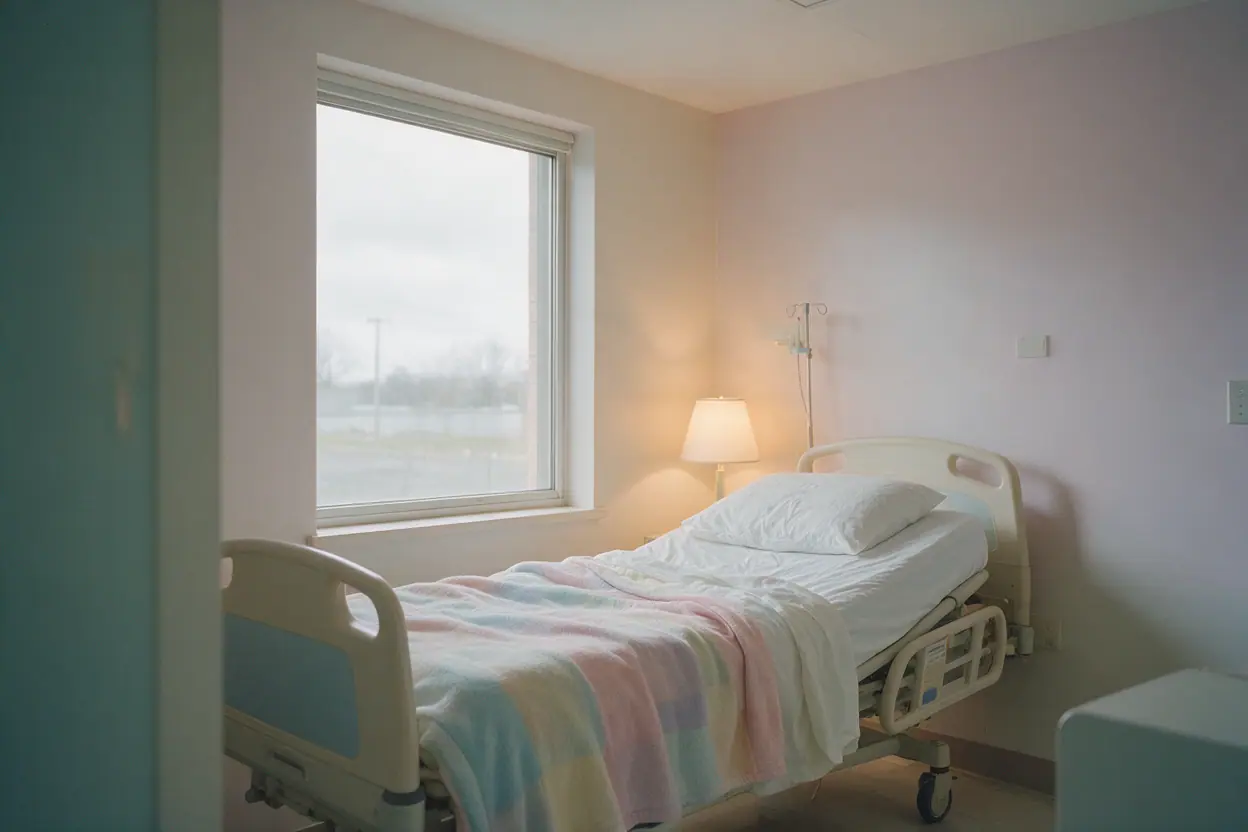
What a Suboxone clinic visit is like
Initial call and screening
You'll speak with a staff member about your substance use and health history. They may ask about insurance and schedule a first appointment. If you're unsure, the helpline can help you prepare questions.
Medical evaluation
A clinician reviews your health and determines if Suboxone is appropriate. They may order tests and discuss the medication's risks and benefits. Be honest about other substances you use, including alcohol or benzodiazepines; withdrawal from those can be dangerous and may need medical supervision.
Induction and first dose
If prescribed, you'll receive your first dose under supervision. The clinic will monitor your response. They'll also explain what to expect in the first days and when to call if you feel unwell.
Ongoing visits and counseling
Follow-up visits include medication checks and counseling. Some programs offer groups. The schedule varies, and many clinics work with you to find a rhythm that supports your recovery.
Who Suboxone treatment in New York fits
- People with opioid use disorder who want to reduce cravings and withdrawal symptoms and who can commit to showing up for regular appointments.
- Those who prefer outpatient care in New York and can attend visits in person or through telehealth when travel is difficult.
- Individuals with a dual diagnosis, such as anxiety or depression alongside substance use; 410 facilities in New York offer dual diagnosis care.
- People covered by Medicaid or private insurance who need a New York clinic that accepts their plan, with 499 Medicaid-accepting and 478 private-insurance-accepting programs listed.


Suboxone clinic New York
Across New York, 522 facilities offer medication for opioid use disorder, per SAMHSA's FindTreatment.gov listings. These entries include clinics and other programs dispensing Suboxone and medications like it. Of that total, 499 accept Medicaid, 478 accept private insurance, 343 accept Medicare, and 275 offer a sliding fee scale. Spanish-language services exist at 239 of them. Many New York Suboxone clinics also provide dual diagnosis care and telehealth, useful if you have a mental health condition that co occurs or struggle to travel. Treat the listings as a place to begin, not a promise of admission.
Reach the helpline, and an advisor can help narrow down New York Suboxone clinics that fit your location and your insurance. If Medicaid is your coverage, ask which of the 499 accepting facilities can take new patients at the moment. If you are paying yourself, check whether the clinic bills your plan or expects payment on arrival. With no coverage at all, begin by asking about the 275 programs that use sliding fee scales.
- take Medicaid
- 499
- take private insurance
- 478
- take Medicare
- 343
- provide a sliding fee scale
- 275
| Provider | City | Levels of care | Takes |
|---|---|---|---|
| Saint Josephs ATRC | Keeseville | Outpatient | Medicaid, Insurance, Sliding fee |
| Phelps Memorial Hospital Center | Ossining | Outpatient | Medicaid, Medicare, Insurance, Sliding fee |
| Port Counseling Center Inc | Port Washington | Outpatient | Medicaid, Medicare, Insurance, Sliding fee |
| Camelot of Staten Island Inc | Jamaica | Outpatient | Medicaid, Medicare, Insurance, Sliding fee |
| Saint Regis Mohawk Tribe | Hogansburg | Residential | Medicaid, Medicare, Insurance |
| Saint Regis Mohawk Tribe | Hogansburg | Outpatient | Medicaid, Medicare, Insurance |
| 820 River Street Inc | Albany | IOP, Outpatient | Medicaid, Insurance, Sliding fee |
| Fusion Recovery Centers LLC | Albany | IOP, Outpatient | Medicaid, Medicare, Insurance, Sliding fee |
| Womens Recovery Program | Albany | Residential | Medicaid, Medicare, Insurance, Sliding fee |
| Mens Recovery Program | Albany | Residential | Medicaid, Insurance, Sliding fee |
FAQ
What is a Suboxone clinic in New York?
A Suboxone clinic in New York is an outpatient program that prescribes buprenorphine (often with naloxone) and provides counseling. In New York, 522 facilities offer medication for opioid use disorder, which includes Suboxone. These clinics may also offer telehealth and dual diagnosis care. The helpline can help you compare programs.
Does Medicaid cover Suboxone treatment in New York?
Yes, New York's Medicaid program covers medication for opioid use disorder. Of the 522 facilities offering this treatment, 499 accept Medicaid. Coverage details can vary, so it's wise to confirm with the specific clinic. Programs that can be identified with help from the helpline take Medicaid.
Can I get Suboxone without insurance?
Some clinics offer sliding fee scales or other financial assistance. In New York, 275 of the 522 facilities offering medication for opioid use disorder provide a sliding fee scale. You can also ask about state-funded programs. The helpline advisors can help you find options that fit your budget.
What is the difference between Suboxone and methadone?
Both are medications for opioid use disorder, but Suboxone is typically prescribed in office-based settings, while methadone is dispensed through opioid treatment programs. New York has 70 methadone clinics listed, compared to 522 facilities offering medication for opioid use disorder such as Suboxone. The right choice depends on your needs.
How long does Suboxone treatment last?
The length of treatment varies by person and is determined with your prescriber. Some people stay on medication for months or longer. Clinics usually recommend counseling alongside medication. You can discuss timelines with the clinic, and you're not locked into a fixed schedule.
Is Suboxone treatment available via telehealth in New York?
Yes, many programs offer telehealth for some visits. In New York, 436 of the 522 facilities offering medication for opioid use disorder provide telehealth services. This can make it easier to attend appointments if you have transportation or scheduling challenges. Ask the clinic about their telehealth options.
Talk about Suboxone treatment
Trained advisors staff the helpline and can connect you with licensed treatment providers. It costs nothing, your privacy is protected, and you take on no commitment. They can answer questions about Suboxone clinics in New York and help you find a program your insurance accepts.