Detox New York programs
Quitting alcohol or benzodiazepines without a clinician overseeing the process can be dangerous. SAMHSA FindTreatment.gov listings show 103 medical detox programs across New York. This guide explains how detox works and how to choose a program.
- programs in New York
- 103
- take Medicaid
- 96
- take private insurance
- 98
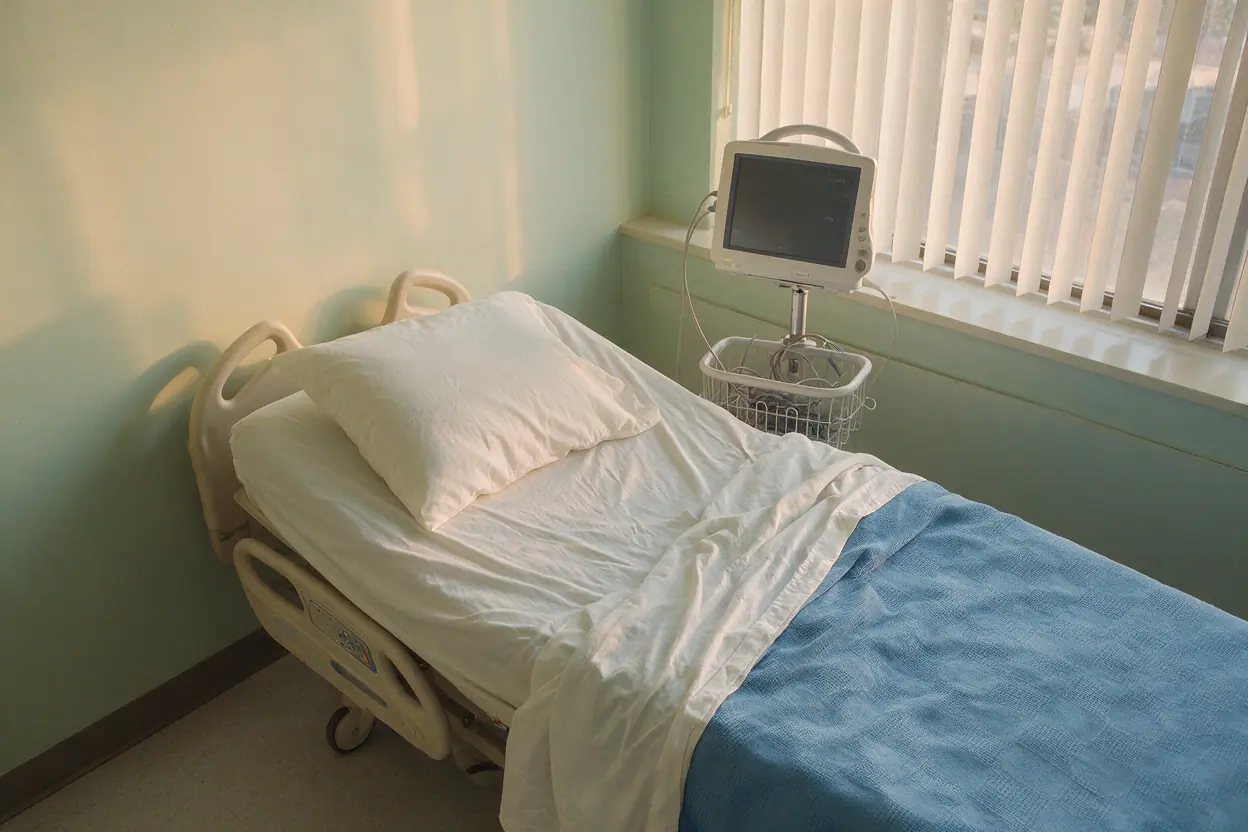
Medical detox is a supervised withdrawal period in which medical staff monitor someone's vital signs, manage discomfort, and watch for complications while a substance clears the body. It is not the same as addiction treatment on its own. Detox is a starting point that protects someone's health, and it works best when it leads straight into inpatient, residential, or outpatient care. Of the 103 detox programs listed in New York, 77 offer dual diagnosis care, meaning mental health needs are evaluated alongside substance use. New York detox programs that offer dual diagnosis care address mental health and substance use together. That matters because drinking or drug use and conditions like depression or anxiety so often travel together, and a program that screens for both tends to plan more realistic next steps.
A day in medical detox usually means regular check-ins from nurses and a clinician, vital sign checks, fluids and food as tolerated, and medication to ease withdrawal symptoms, always ordered and adjusted by the program's medical staff rather than self-managed. There are groups and short individual sessions, and some programs arrange a plan for what comes after detox before discharge. If someone has been drinking heavily for years or taking benzodiazepines regularly, then withdrawal can become medical in nature quickly, so ask on the first call whether the program provides physician oversight and 24-hour nursing. In New York, 73 of the 103 detox programs listed offer telehealth services. Telehealth can help with intake questions and follow-up.
Paying for detox in New York
Most people pay for medical detox in New York through Medicaid, private insurance, Medicare, or a sliding scale, and 96 of the 103 detox programs accept Medicaid. Most health plans need to cover substance use treatment comparably to medical care under federal parity law. Out-of-network rules, deductibles, and prior authorization differ by plan. When you call, ask whether the program is in network for your plan and whether prior authorization is needed. If you lack insurance, ask about Medicaid enrollment and sliding fee options before committing, because New York's Medicaid program covers detox at participating facilities for people who qualify.

What to expect when you call about detox
A short screening
An advisor asks what substance is involved, how much and how long, plus any medical conditions and medications. The answers decide whether detox at a center is appropriate or whether a hospital setting is safer.
Insurance and cost check
You share your plan details and get a clearer picture of what your coverage includes. The advisor can point to programs that take Medicaid or private insurance, and ask about sliding fees if you are paying out of pocket.
Matching to a level of care
Detox is matched to clinical need, not availability alone. A short stay in medical detox may lead into inpatient or residential rehab, or into intensive outpatient care if you have a stable home and support.
Planning the next step
Before the call ends, you should know which programs to contact, what to bring, and how admission works. No one is promised a bed, and a program's own clinical staff make the final decision.
Who medical detox fits
- People who have been drinking heavily and risk alcohol withdrawal, which can range from tremor and anxiety to seizures and requires medical monitoring in a supervised setting.
- People who take benzodiazepines regularly and want to stop, since withdrawal from these medications can be serious and should happen under a clinician's care.
- People with opioid use disorder who need withdrawal management before starting medication such as buprenorphine or methadone, with Suboxone offered at many programs.
- Those for whom home is an unsafe place to withdraw early, or who also have a mental health condition and need a dual diagnosis assessment in those first days.

New York detox programs listed
Of the 609 substance use treatment facilities listed in New York, 103 provide medical detox, and payment options vary from one to the next. Among the 103 detox centers in New York, 96 accept Medicaid and 98 accept private insurance. Medicare is accepted at 62, which gives people in New York City, Buffalo, Rochester, and rural counties several paths to find an in-network option. Across New York, 53 of the 103 detox programs offer services in Spanish. That helps families in Manhattan, Brooklyn, Queens, and beyond find a program where language is not a barrier.
A call to a helpline commits no one to a program, and the advisors who answer are connected with licensed providers across the state. If insurance is a concern, then ask for a benefits check before choosing a facility, because a plan that looks affordable at intake may not cover the full stay. New York has adopted Medicaid expansion, so many adults with low incomes qualify for coverage. Programs with a sliding fee scale also exist, and 45 of the 103 detox programs listed offer one. If you are uninsured, then ask about Medicaid enrollment and sliding fee options before you commit.
- take Medicaid
- 96
- take private insurance
- 98
- take Medicare
- 62
- provide a sliding fee scale
- 45
| Provider | City | Levels of care | Takes |
|---|---|---|---|
| Wellbridge Stabilization Program | Calverton | Detox, Residential | Insurance |
| New Hope Manor Inc SRh | Barryville | Detox, Residential | Medicaid, Insurance, Sliding fee |
| Talbot House | Bohemia | Detox, Residential | Medicaid |
| VA NY Harbor Healthcare System | Brooklyn | Detox, Residential, PHP, IOP, Outpatient | Insurance |
| Terrace House | Buffalo | Detox, Residential | Medicaid, Medicare, Insurance, Sliding fee |
| Palmerton Place | Buffalo | Detox, Residential, Outpatient | Medicaid, Medicare, Insurance, Sliding fee |
| Addictions Crisis Center | Clifton Springs | Detox, Residential | Medicaid, Insurance, Sliding fee |
| Nassau University Medical Center | East Meadow | Detox, Residential | Medicaid, Medicare |
| Platinum Recovery Center | Far Rockaway | Detox, Outpatient | Medicaid, Medicare, Insurance, Sliding fee |
| Cornerstone of Medical Arts Center | Fresh Meadows | Detox, Residential, OTP | Medicaid, Insurance, Sliding fee |
FAQ
What are the different types of detox programs in New York?
In New York, 103 facilities listed as providing medical detox are also part of a wider system that includes 165 inpatient and residential rehab programs, 155 intensive outpatient programs, and 432 outpatient programs. Detox itself can happen in a freestanding center, a hospital unit, or as the first phase of residential care. The right type depends on medical risk, home support, and how much structure someone needs after withdrawal ends.
Does Medicaid cover detox in New York?
Yes, in many cases. Of the 103 medical detox programs listed in New York, 96 accept Medicaid, and New York has adopted Medicaid expansion, so more adults with low incomes may qualify. Coverage can depend on the specific facility and your plan, so ask the program to confirm enrollment before you go. A helpline can help you check eligibility at no cost.
How long does medical detox take?
There is no single timeline, and no program should promise one. How long withdrawal lasts depends on the substance, how long someone used it, the dose, health, and age. A supervised setting matters because withdrawal from alcohol and benzodiazepines can be medically dangerous. Ask the program how long a typical stay runs and what happens if symptoms outlast expectations.
Can I get Suboxone or other medication for opioid withdrawal in detox?
Many programs do. Across New York, 522 treatment centers offer opioid use disorder medication and 103 of the 609 total facilities provide medical detox. Buprenorphine, often sold as Suboxone, and methadone are started and adjusted by licensed clinicians, not by patients on their own. If medication is part of your plan, confirm that the specific program can continue it after detox.
What should I bring to a detox program?
Bring a photo ID, insurance card, a list of medications and dosages, and contact information for anyone you want notified. Most programs limit what else you can bring, so ask about phones, clothing, and personal items before you arrive. If you take prescribed benzodiazepines or other medications, tell the program in advance so staff can plan your care safely.
Is calling a helpline free, and will I be pressured to enroll?
The helpline is free to call, keeps your information private, and commits you to nothing. The advisors who answer aren't clinicians and don't diagnose, but they collaborate with licensed providers and can describe the levels of care. Whether to call a program is your decision. If you're unsure, ask for general information only and give yourself time to think.
Talk about detox in New York
The helpline runs 24 hours a day, and the treatment advisors who answer work with licensed providers across New York. The call is free and private, and enrolling is not required. You can ask about medical detox, insurance coverage, or what the first day looks like, then decide what fits. If withdrawal risk is high, call now instead of waiting it out alone.