Outpatient rehab New York
Outpatient rehab in New York offers structured treatment while you keep living at home. The state has 432 SAMHSA-listed outpatient programs for substance use. Call the free helpline for a confidential talk, any time.
- programs in New York
- 432
- take Medicaid
- 415
- take private insurance
- 398

Outpatient rehab is treatment you attend on a schedule and return home after. Sessions may be individual counseling, group therapy, or medication visits. The state has 414 listed outpatient programs offering telehealth as of the latest SAMHSA data. No single day looks like another. Some people go a few times a week for a few hours; others check in weekly once they are steady. Your schedule is based on a clinical assessment, not a sales pitch. The point is to build a routine that fits work, family, and the reasons you are making the call.
In New York, 432 outpatient rehab programs are listed by SAMHSA as of 2026. Many offer evening and weekend hours, and 414 of them provide telehealth, which helps if a train ride or a work shift makes in-person visits hard. What you actually do in a session depends on the program: cognitive behavioral therapy, motivational interviewing, family work, or medication management. You may start with three visits a week and step down as things settle. The program should explain its expectations in plain language before you commit.
Paying for outpatient rehab in New York
Among the 432 outpatient programs listed, 415 accept Medicaid and 398 accept private insurance; 319 take Medicare and 245 have a sliding fee. On Medicaid, ask the program whether prior authorization applies to the number of visits you need. With private insurance, call the number on the back of your card and ask how your plan covers outpatient substance use treatment. The advisors work with licensed providers and can help sort out payment questions; the helpline is private and free, and calling commits you to nothing.

What to expect from outpatient treatment
An assessment
A licensed clinician asks about how you use substances, your overall health, and what your days look like. Diagnosis is not something we do; the program handles that part. Bring along your insurance card and a written list of the medications you take. What comes out of the assessment is the level of care that suits you.
A schedule
You agree on how often you attend and for how long. Many programs start with several visits a week and reduce over time. If the schedule does not fit your work or family, then say so before you start.
Counseling and medication
Sessions can be individual, held in a group, or include family members. When medication is part of your plan, a prescriber oversees it. Stopping alcohol or benzodiazepines can be dangerous, so a clinician should be involved if you quit either one.
Progress reviews
The program checks how you are doing and changes the plan when needed. If you miss a few sessions, then talk to your counselor rather than drifting away. Staying in contact is part of the work.
Who outpatient rehab in New York fits
- Adults who need structure but can stay safe at home each night. If your living situation is stable, outpatient can be a practical level of care in New York.
- People with a substance use disorder who want to keep working or caring for family. If your schedule is tight, ask whether evening groups and telehealth visits are available.
- Those stepping down from inpatient or detox who need ongoing counseling and accountability. If you just finished detox, then outpatient can help you keep momentum.
- Anyone who wants medication for opioid use disorder with counseling attached. If Suboxone or another medication is part of your plan, then look for a program that combines both.

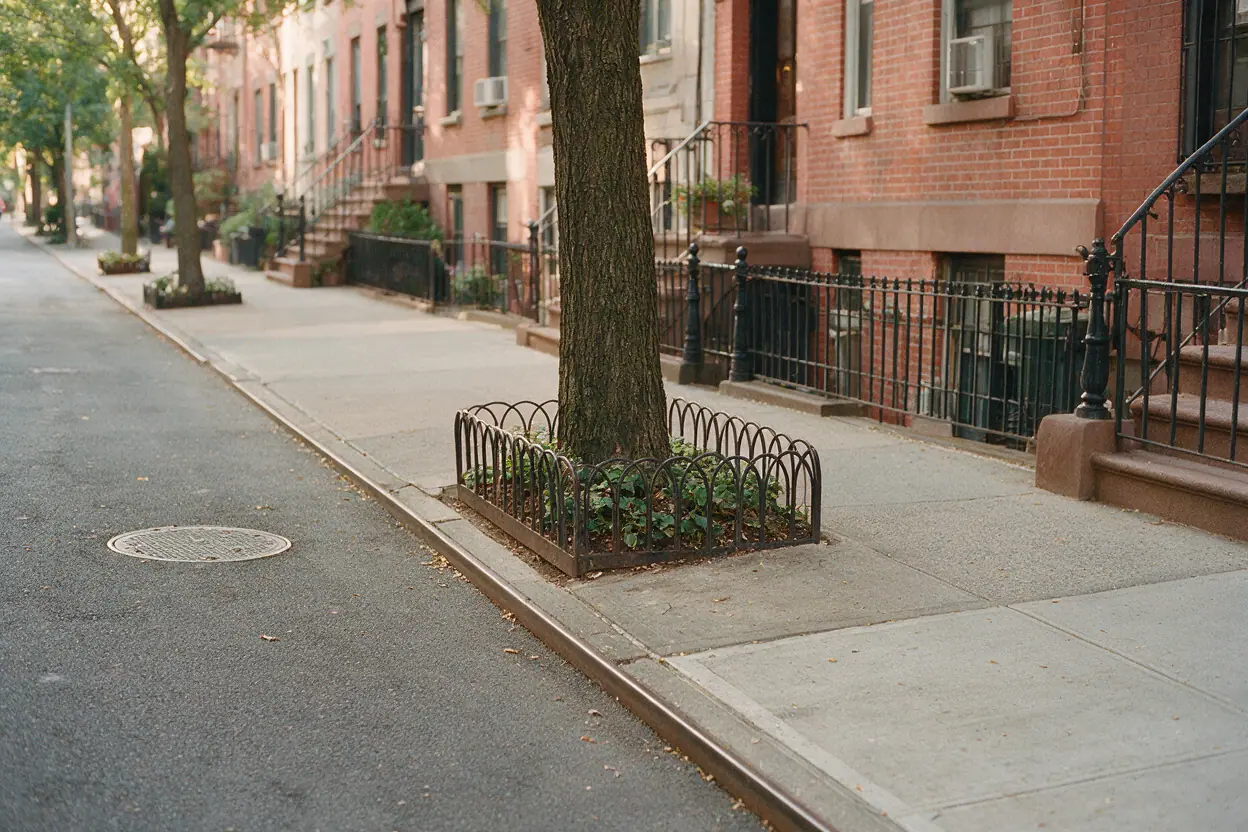
Outpatient rehab across New York
New York lists 432 outpatient rehab programs; 415 accept Medicaid and 398 take private insurance. That counts, because paying for care is often the first question on people's minds. Under federal parity law, most plans must treat mental health and substance use coverage the same as medical coverage, though confirming the details with your plan is worthwhile. Since New York expanded Medicaid, more adults qualify than in states that did not expand. If you have no insurance, 245 of the listed programs offer a sliding fee. Ask what that fee will be before you schedule an appointment.
In New York City, the choices are dense: Manhattan, Brooklyn, Queens, and the Bronx all have multiple listed centers, and some programs serve Spanish-speaking clients—229 of the outpatient programs listed statewide offer Spanish-language services. If you live outside the city, telehealth widens the map. For many people in New York, a nearby center matters less than a program that keeps its appointments. The helpline can help you compare a few options and check what each one accepts before you call them yourself.
- take Medicaid
- 415
- take private insurance
- 398
- take Medicare
- 319
- provide a sliding fee scale
- 245
| Provider | City | Levels of care | Takes |
|---|---|---|---|
| Saint Josephs ATRC | Keeseville | Outpatient | Medicaid, Insurance, Sliding fee |
| Phelps Memorial Hospital Center | Ossining | Outpatient | Medicaid, Medicare, Insurance, Sliding fee |
| Port Counseling Center Inc | Port Washington | Outpatient | Medicaid, Medicare, Insurance, Sliding fee |
| Sisters Health Center Amherst | Buffalo | Outpatient, OTP | Medicaid, Medicare, Insurance |
| Camelot of Staten Island Inc | Jamaica | Outpatient | Medicaid, Medicare, Insurance, Sliding fee |
| Saint Regis Mohawk Tribe | Hogansburg | Outpatient | Medicaid, Medicare, Insurance |
| 820 River Street Inc | Albany | IOP, Outpatient | Medicaid, Insurance, Sliding fee |
| Fusion Recovery Centers LLC | Albany | IOP, Outpatient | Medicaid, Medicare, Insurance, Sliding fee |
| Wtny Yng Wellness Recovery Center | Albany | IOP, Outpatient | Medicaid, Medicare, Insurance |
| Whitney M Young Jr Health Center Inc | Albany | IOP, Outpatient, OTP | Medicaid, Medicare, Insurance |
FAQ
What is outpatient rehab in New York?
Outpatient rehab is treatment you attend on a schedule and return home after, rather than living at a facility. New York has 432 outpatient programs listed by SAMHSA. Sessions include counseling, groups, and medication visits. The right amount of care depends on a clinical assessment, not on a brochure. If you are unsure, then call the helpline and describe your week; an advisor can suggest questions to ask.
Does Medicaid cover outpatient rehab in New York?
Medicaid frequently pays for outpatient care for substance use in New York, and 415 out of the 432 listed outpatient programs take it. Because New York expanded Medicaid, a greater number of adults may be eligible. What is covered varies by service and by your plan; when in doubt, check with the program's intake staff ahead of your first appointment. The helpline can direct you toward programs that take Medicaid.
How long do people usually stay in outpatient rehab?
There is no single answer. Some people attend for a few weeks, others for several months, and the schedule usually starts more intense and then eases. The length depends on your needs, progress, and what your insurance will authorize. If you feel ready to step down, then discuss it with your counselor rather than deciding alone. The program will document progress for your insurer.
What are the different types of rehab?
Levels of care span medical detox (103 listed across New York), inpatient and residential (165), partial hospitalization (26), intensive outpatient (155), and outpatient (432). Opioid use disorder medication is provided at 522 programs, and methadone clinics number 70. Each level serves a distinct purpose. If you are unsure which fits, start with an assessment. Dialing the helpline can help you work through the options.
Can I get Suboxone at an outpatient rehab in New York?
Plenty of outpatient programs provide medication for opioid use disorder, Suboxone among them. Across New York, 522 programs list medication for opioid use disorder. Not all outpatient clinics prescribe it, so ask them straight out. When medication belongs in your plan, seek a program pairing prescribing with counseling. The helpline can point you to programs doing both, and a call costs nothing.
What if I need detox before starting outpatient rehab?
Detox may be the first step when someone is stopping alcohol or benzodiazepines, because withdrawal can be risky and a clinician should manage it. New York has 103 listed medical detox facilities. If detox is needed, ask the program how it works with one. We do not provide detox or give tapering advice; that belongs to a licensed clinician. The helpline is answered at any hour.
Talk about outpatient rehab
Our helpline is free and private, and licensed treatment providers are linked to callers by trained advisors. Nothing is required of you when you call, and we cannot promise admission, coverage, or results. If a plain conversation about outpatient care in New York would be useful, call whenever you like, day or night, and pick whatever next move suits your situation.